Sports Nutrition: The Complete Guide to Optimizing Your Performance
Learn sports nutrition fundamentals: macronutrients, hydration, and pre/post-workout timing. Evidence-based guide for all athletes.
Summarize this article with
The essentials in 30 seconds
Sports nutrition is the pillar that turns a good workout into visible results.
- 1.The three macronutrients, protein, carbs, and fats, each play a specific role in performance and recovery.
- 2.Hydration is as important as nutrition. A 2% body weight loss in water reduces performance by 20%.
- 3.Meal timing matters, but total daily intake remains the number one factor for body composition.
- 4.Supplements are secondary. No supplement replaces a balanced diet, good sleep, and consistent training.
Interactive Quiz
What's your nutrition profile?
Answer 6 quick questions to discover what your body really needs.
What's your main goal right now?
📖 What is Sports Nutrition?
Sports nutrition is the study and application of nutritional principles to optimize athletic performance and recovery. Unlike general nutrition which aims for health, sports nutrition adapts intake based on the type of effort, intensity, duration, and specific goals of each athlete.
Whether you run, lift weights, do CrossFit, or play football, nutritional needs vary considerably. A marathoner doesn't have the same needs as a powerlifter. Sports nutrition takes these differences into account to offer tailored strategies.
It rests on three fundamental pillars: energy intake (how much you eat), composition (what you eat), and timing (when you eat). Mastering these three aspects allows you to maximize training adaptations and reach your goals faster.

💪 The Three Macronutrients: Fuel for Performance
Macronutrients are the nutrients the body needs in large quantities to function. There are three: proteins, carbohydrates, and fats. Each plays a specific and irreplaceable role in athletic performance.
Protein: Build and Repair
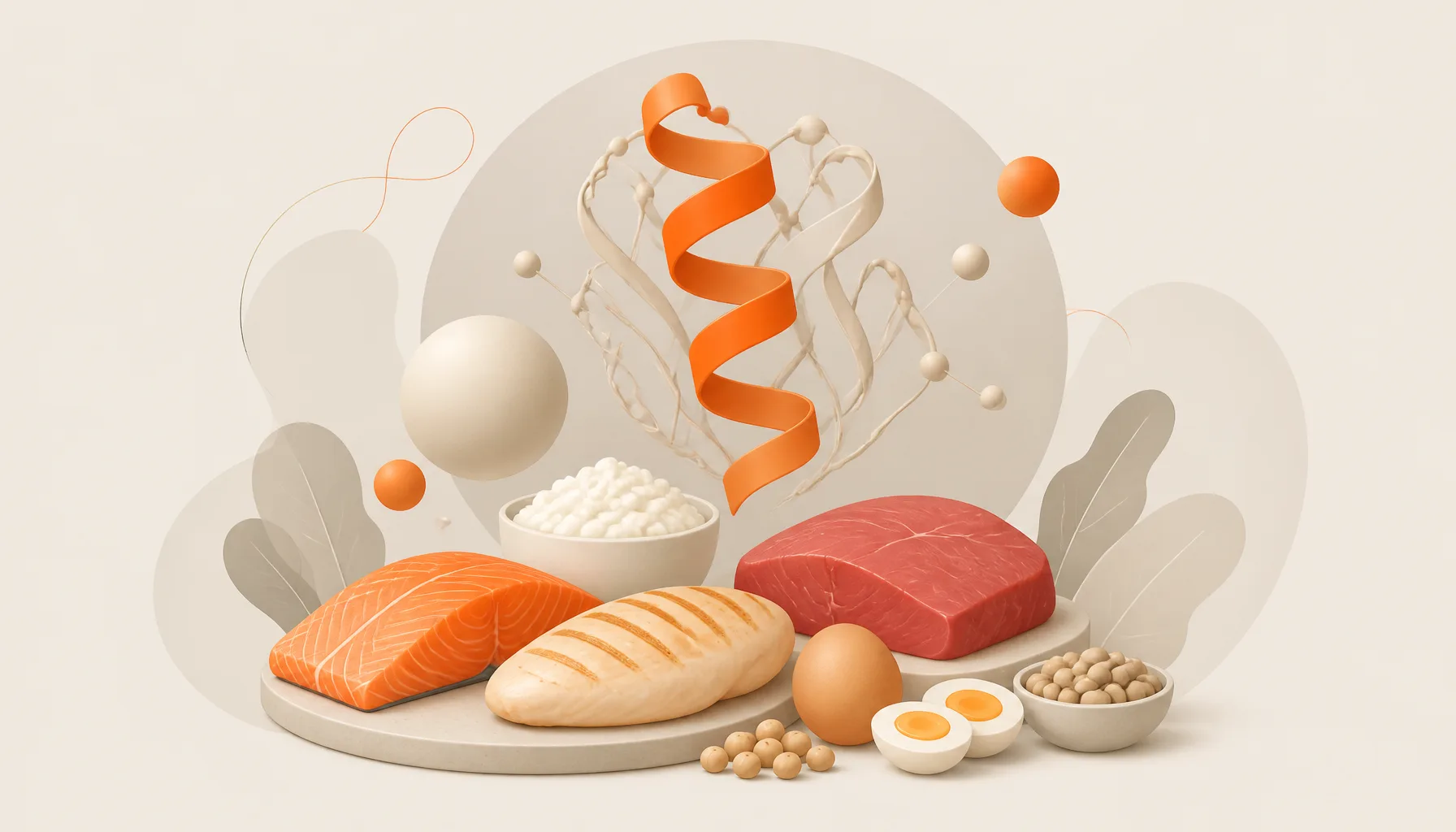
Proteins are the building blocks of muscle. They provide the amino acids needed to repair muscle fibers damaged during exercise and to synthesize new muscle tissue. For an athlete, the recommended intake is between 1.6 and 2.2 g per kg of body weight per day, depending on training intensity.
Carbohydrates: Energy First
Carbohydrates are the muscles' preferred energy source during exercise. Stored as glycogen in muscles and the liver, they fuel high-intensity efforts. Needs vary from 3 to 12 g per kg of body weight, depending on training volume and intensity.
Fats: Endurance and Hormones
Fats are essential for hormone production and serve as fuel for long-duration, low-intensity efforts. They should represent 20-35% of total caloric intake. Prioritize quality sources: olive oil, avocado, nuts, fatty fish.
💧 Hydration: The Often Overlooked Factor
Water represents about 60% of body weight, and dehydration of just 2% can reduce performance by 10-20%. During exercise, the body loses water and electrolytes through sweat. These losses must be compensated to maintain muscle function, thermoregulation, and concentration.
The basic recommendation is to drink 30-40 ml of water per kg of body weight per day, adjusting upward on training days. For efforts lasting over an hour, a drink containing electrolytes (sodium, potassium) and carbohydrates is recommended.
| Activity Level | Recommended Water (L/day) | Electrolytes |
|---|---|---|
| Sedentary | 2-2.5 L | Not needed |
| Moderate training (< 1h) | 2.5-3 L | Recommended in hot weather |
| Intense training (> 1h) | 3-4 L | Essential (sodium, potassium) |

🕐 Meal Timing: Before, During, After Exercise
When you eat directly influences your performance and recovery. While total daily intake remains the most important factor, optimizing timing can make the difference between a good workout and a great one.
Before Exercise (2-3 hours)
A meal rich in complex carbs, moderate in protein, and low in fat and fiber for easy digestion. Example: brown rice, grilled chicken, cooked vegetables.
During Exercise (if > 60-90 min)
30-60 g of carbohydrates per hour in the form of drinks, gels, or bars. The goal is to maintain blood sugar and spare muscle glycogen.
After Exercise (30-60 min window)
This is the key moment for recovery. Combine 20-40 g of protein with 0.8-1.2 g of carbs per kg of body weight to replenish glycogen and start muscle repair.
🧪 Supplements: Useful but Secondary
No supplement replaces a balanced diet. Supplements are, by definition, there to complement insufficient intake, not to serve as a foundation. Before thinking about supplements, make sure your diet, sleep, and training are already optimized.
| Supplement | Proven Effectiveness | When to Take It |
|---|---|---|
| Protein powder (whey) | ★★★★★ | Convenient for hitting daily quota |
| Creatine monohydrate | ★★★★★ | 5 g/day, any time |
| Caffeine | ★★★★☆ | 30-60 min before exercise, 3-6 mg/kg |
| Omega-3 | ★★★☆☆ | With meals, 1-3 g/day EPA+DHA |
| BCAA | ★★☆☆☆ | Little benefit if protein intake is sufficient |
📅 Meal Planning: The Key to Consistency
The best nutrition strategy is the one you can follow over time. Planning meals in advance helps avoid impulsive choices and ensures the right foods are available at the right time.
A few simple principles: prep your meals in advance (meal prep), keep healthy snacks on hand, and adjust your portions based on your activity level for the day. A rest day doesn't require the same intake as a double-training day.
🏃 Nutrition Tailored to Your Sport
Each discipline has specific nutritional requirements. Adapting your diet to your sport helps optimize performance and recovery.
Weightlifting and Strength
Protein priority (1.8-2.2 g/kg) with moderate to high carb intake (4-7 g/kg) to support intense training. Creatine is the most effective supplement for this type of sport.
Endurance (running, cycling, swimming)
Carbs are king (6-12 g/kg). Intake during exercise is crucial for sessions over 90 minutes. Fats become an important energy source at low intensity.
Team Sports (football, rugby, basketball)
Alternating explosive efforts and active recovery. Balanced need for carbs (5-8 g/kg) and protein (1.6-2.0 g/kg). Hydration is critical due to intermittent efforts.
 How Atlo Simplifies Your Sports Nutrition
Atlo is a platform that unifies nutrition, training, and recovery in one place. Instead of juggling three different apps, you get an overview of your progress. The AI coach cross-references data from all three pillars to give you coherent recommendations.
Key nutrition features: tracking of 100+ metrics per food, CIQUAL+USDA+Open Food Facts database, photo meal analysis, barcode scanning, AI coach-generated meal plans, and intermittent fasting support (15+ protocols).
Atlo offers a 7-day free trial, then €8.99/month (€69.99/year). The Pro plan unlocks the AI coach, generated programs, and meal photo analysis. The Pro plan unlocks the AI coach, generated programs, and meal photo analysis.

📚 Sources and References
This guide is based on recognized scientific sources and official sports nutrition recommendations.
🔗 Atlo Resources
Explore more content on nutrition and performance:
❓ FAQ
📖 Read next
Best Nutrition App: The 2026 Comparison
Yazio vs MyFitnessPal: Which Tracker to Choose?
Muscle Building Nutrition: The Complete Guide to Building Muscle
Take It to the Next Level with Atlo
Atlo's AI coach cross-references your nutrition, training, and recovery data to give you a truly personalized plan. Start for free.
lockNo spam. We'll email you at launch.