Muscle Building Nutrition: The Complete Guide to Building Muscle
Learn nutrition fundamentals for muscle building: macronutrients, meal timing, supplements, and evidence-based strategies.
Summarize this article with
The essentials in 30 seconds
Nutrition accounts for 70% of your muscle building results. A perfect workout without proper nutrition only yields 30% of possible gains.
- 1.Protein is the cornerstone of muscle building, with a recommended intake of 1.6 to 2.2 g per kg of body weight per day.
- 2.Carbs are not your enemy. They provide the energy needed for intense training and spare protein for its structural role.
- 3.Meal timing matters, but total daily quantity and food quality remain the most important factors.
- 4.Without a caloric surplus, no mass gain. To build muscle, you must consume more calories than you burn.
Interactive Quiz
What's your muscle building profile?
Answer 6 quick questions to discover your ideal nutrition strategy.
What's your main muscle building goal?
📖 Why Nutrition is the Pillar of Muscle Building
Muscle building nutrition encompasses all dietary principles that maximize muscle construction and recovery. It goes beyond just eating more protein: it's a comprehensive approach that considers the quantity, quality, and timing of nutrients to support training.
The principle is simple: training creates the stimulus (micro-tears in muscle fibers), but nutrition provides the materials to rebuild the muscle stronger and larger. Without proper nutrition, the best training program will only yield limited results.

🥩 Protein: The Bricks of Your Muscle
Protein is the most important macronutrient for muscle building. It provides the essential amino acids your body can't produce on its own and which are indispensable for muscle protein synthesis, the process by which your muscles repair and grow after training.
For a strength training practitioner, the recommended intake is 1.6 to 2.2 grams of protein per kilogram of body weight per day. For a 75 kg person, this means between 120 and 165 g of daily protein. The best sources include chicken, lean beef, eggs, fish, cottage cheese, legumes, and tofu.
🍚 Carbohydrates: Training Fuel
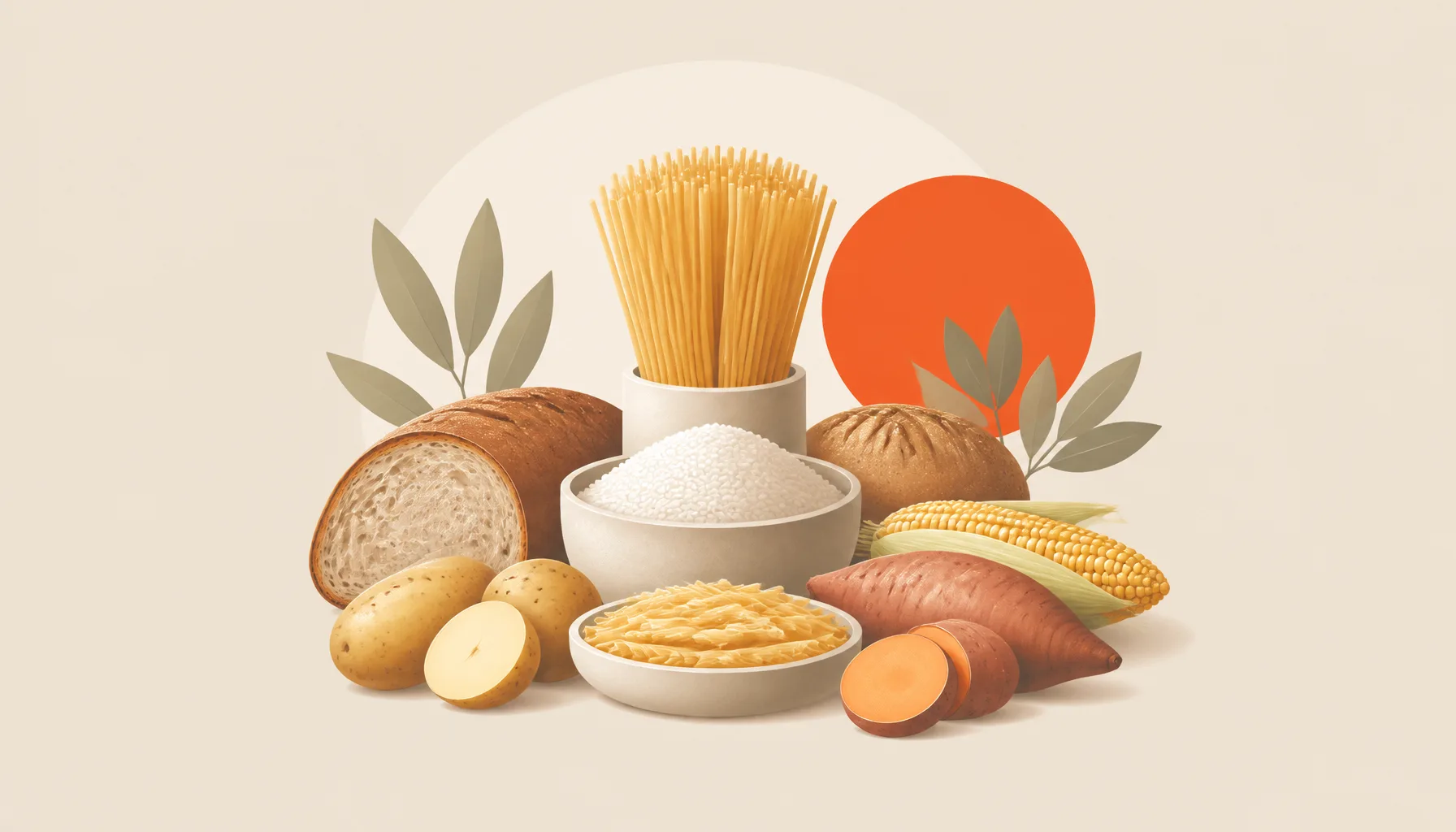
Carbohydrates are the primary energy source for intense strength training. Stored as glycogen in muscles, they allow you to maintain workout intensity and avoid early fatigue. A muscle well-loaded with glycogen also looks fuller and more voluminous.
Carbohydrate needs vary by intensity: 4-7 g per kg of body weight for moderate training, up to 8-12 g for high volume. Prioritize low to moderate glycemic index sources: brown rice, sweet potato, oatmeal, quinoa, whole wheat pasta, fruits, and vegetables. Fast-digesting carbs (white rice, white bread) have their place around training time.
🥑 Fats: The Secret Weapon for Hormones
Fats play a crucial role in testosterone and growth hormone production, two hormones essential for muscle building. Too low a fat intake (below 20% of total calories) can drop testosterone and hinder your muscle gains.
Aim for 0.8-1.2 g of fat per kg of body weight per day, about 25-30% of your total caloric intake. The best sources: olive oil, avocado, walnuts, almonds, chia seeds, fatty fish (salmon, mackerel, sardines) rich in omega-3 with anti-inflammatory properties that aid recovery.
⏱️ Meal Timing: When to Eat to Maximize Gains
When you eat influences how your body uses nutrients for muscle building, even though total daily quantity remains the most determining factor. Properly timing your meals around training can make a difference in the long run.
Pre-workout (1.5-3 hours before)
A complete meal containing protein, carbs, and some fat ensures a stable energy supply during the session. Example: 150 g chicken + 200 g brown rice + vegetables + 1 tablespoon olive oil. If you train early morning, a light snack (banana + whey) 30-45 minutes before may suffice.
Post-workout (within 2 hours)
The post-workout anabolic window is a period when your muscles are particularly receptive to nutrients. A meal containing 25-40 g of protein and fast-digesting carbs promotes protein synthesis and glycogen replenishment. Whey protein is ideal here as it's rapidly absorbed.
💧 Hydration: The Muscle's Forgotten Nutrient
Muscle is about 75% water. Even mild dehydration (1-2% of body weight) reduces strength, endurance, and recovery capacity. During a strength training session, you lose water and electrolytes (sodium, potassium, magnesium) through sweat, especially in summer or a poorly ventilated gym.
The basic recommendation is to drink 33-40 ml of water per kg of body weight per day (2.5-3 liters for a 75 kg person), increasing on training days. During the session, drink regularly in small sips rather than waiting until you're thirsty.

📊 How to Track Your Nutrition for Muscle Building
Tracking your nutrition is the most reliable way to ensure you're consuming enough calories and protein to build muscle. Many lifters think they're eating enough but underestimate their needs by 300-500 calories per day.
For muscle building, three indicators are essential to track: total caloric intake (should be in a slight surplus of 200-400 kcal per day), protein (minimum 1.6 g/kg), and body weight (slow progression of 0.25-0.5 kg per week when bulking). A tracking tool like Atlo lets you centralize this data and get a nutrition plan automatically adjusted to your progress.
⭐ 🤖 The Atlo approach
⚠️ 5 Nutritional Mistakes That Are Killing Your Gains
Even with regular training, these classic mistakes can reduce your gains by 30-50%. Here are the most common pitfalls and how to avoid them.
1. Not Eating Enough Calories
You can't build a house without materials. If you don't consume a caloric surplus, your body doesn't have the resources to create new muscle tissue. Aim for a surplus of 200-400 kcal per day above maintenance.
2. Neglecting Food Quality
3000 kcal of fast food doesn't give the same results as 3000 kcal of whole foods. Nutritional quality (micronutrients, fiber, lipid profile) directly impacts recovery, immune system, and hormone production. Even when bulking, 80% of your diet should come from whole, minimally processed foods.
3. Eating Too Much Protein at the Expense of Carbs
Beyond 2.2 g/kg, extra protein doesn't build more muscle. It's converted to energy or stored. And if it comes at the expense of carbs, your training performance suffers. Prioritize hitting your protein goal, then split remaining calories between carbs and fats.
4. Skipping the Post-Workout Meal
If you don't eat within 2 hours after training, muscle protein synthesis is reduced and catabolism (muscle breakdown) can take over. Even a simple snack (whey + banana) is better than nothing.
5. Constantly Changing Your Strategy
Switching from one diet to another every two weeks prevents any measurable progress. Muscle building nutrition requires consistency. Stick to a plan for at least 4-6 weeks before evaluating results and adjusting.
📚 Sources and References
These scientific and institutional sources form the basis of this article's recommendations.
- •Morton et al. (2018), A systematic review and meta-analysis of protein intake
- •Jäger et al. (2017), International Society of Sports Nutrition Position Stand: Protein and Exercise
- •Schoenfeld & Aragon (2018), How much protein can the body use in a single meal?
- •Anses (2021), Actualisation des repères nutritionnels pour les sportifs
- •Kerksick et al. (2018), ISSN Exercise & Sport Nutrition Review: Research & Recommendations
- •Areta et al. (2013), Timing and distribution of protein ingestion on muscle protein synthesis
🔗 Atlo Resources
Explore more nutrition and training content:
Sports Nutrition: The Complete Guide
The fundamentals of nutrition for all sports, from macronutrients to hydration.
TDEE Calculator
Calculate your daily energy expenditure and ideal caloric surplus for bulking.
Workout Program Generator
Create a personalized strength training program based on your level, goals, and equipment.
❓ FAQ
📖 Read next
Best Nutrition App: Our 2026 Comparison (Top 5)
Sports Nutrition: The Complete Guide to Optimizing Your Performance
Personalized Strength Training Program: Top 3 Tools + Complete 2026 Guide
Take it to the next level with Atlo
Join the waitlist to be among the first to try the AI coach that cross-references your nutrition, training, and recovery in one place.
lockNo spam. We'll email you at launch.